Unleashing Creativity: A Deep Dive into the Marghines Font
In the vast digital landscape of typography, finding a font that perfectly balances personality with functionality can feel like searching for a needle in a haystack. For designers, crafters, and business owners, the typeface chosen for a project does more than just convey words; it sets a mood, establishes a brand identity, and draws the viewer in. Enter Marghines, a modern and playful handwritten script font that has been making waves in the creative community. But is it the right tool for your next project? This comprehensive guide explores the features, applications, and unique value proposition of the Marghines font.
Understanding the Essence of Marghines
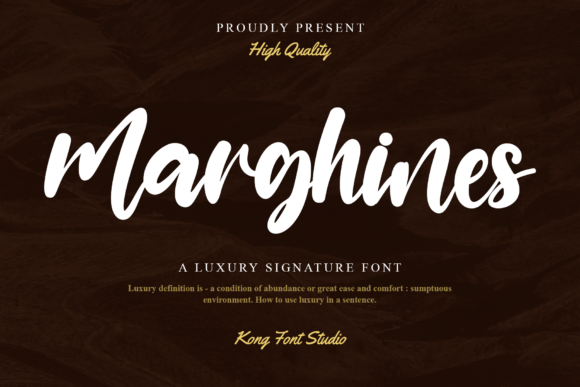
At its core, Marghines is a typeface designed to mimic the fluidity and spontaneity of natural handwriting. Unlike rigid, geometric sans-serif fonts or the formal structure of traditional serifs, Marghines brings a human touch to digital text. It is characterized by its flowing strokes and casual elegance, making it a standout choice for projects that require a warm, approachable aesthetic.
Created by the reputable Kong Font Studio, Marghines was developed with the modern digital creator in mind. It bridges the gap between professional design requirements and the DIY crafting world. Whether you are opening Adobe Photoshop to design a social media banner or firing up Silhouette Design Studio to cut vinyl decals, this font adapts to your workflow. Its versatility is its defining trait, allowing it to function seamlessly across different operating systems and creative software environments.
The Aesthetic Appeal: Modern Meets Playful
One of the most immediate observations when viewing Marghines is its distinct character. It avoids the illegibility that often plagues script fonts. Instead, it maintains a clear distinction between letters while retaining a connected, cursive flow. This balance is crucial for readability, especially in smaller sizes or when used on textured backgrounds like wood or fabric.
The "playful" aspect of Marghines does not mean it is childish. Rather, it suggests a sense of movement and energy. The letters often feature subtle swashes and tails that give the text a dynamic feel. This makes it an excellent candidate for branding that aims to appear energetic, youthful, or artisanal. It captures the essence of a signature, lending an air of authenticity and personal touch to whatever it graces.
Technical Excellence: PUA Encoding and Compatibility
For the uninitiated, technical specifications can sometimes be daunting. However, in the world of font design, specific features can make or break a user's experience. Marghines comes equipped with PUA (Private Use Areas) encoding, a feature that significantly enhances its usability.
What is PUA Encoding?
PUA encoding essentially allows users to access special characters, glyphs, and ligatures (special connecting letters) that are not available on a standard keyboard. Without PUA encoding, these stylistic alternates often remain hidden within the font file, inaccessible to the average user. With Marghines, these extras are easily accessible through character map tools or the glyph panels in professional design software like Adobe Illustrator or Photoshop.
This means you can customize the look of your text by swapping out standard letters for more elaborate versions. For example, you might choose a specific swash for the capital "M" in Marghines to make a logo more distinctive. This level of customization is vital for designers who want to create unique typographic compositions without manually drawing vector paths.
Software Compatibility
The utility of a font is defined by where you can use it. Marghines boasts broad compatibility, making it a practical choice for a wide array of users:
- Adobe Suite: Works flawlessly in Photoshop, Illustrator, and InDesign for professional graphic design.
- Cricut Design Space: Essential for the booming hobbyist crafting market, allowing for precise cutting of text.
- Silhouette Design Studio: As noted in its specifications, Marghines is fully compatible with Silhouette software, a favorite among vinyl crafters.
- Office Software: Can be installed on Word or PowerPoint for users looking to spice up presentations or internal documents.
Real-World Applications: Where Marghines Shines
The true value of a typeface is realized in its application. Marghines is not a "one-size-fits-all" font meant for body text in legal documents; it is a display font designed to catch the eye. Here are several scenarios where Marghines proves to be an invaluable asset.
1. Wedding Stationery and Event Invitations
Weddings demand a level of elegance and intimacy. The handwritten nature of Marghines makes it perfect for save-the-dates, invitations, and RSVP cards. It evokes the feeling of a handwritten letter, adding a layer of romance and personal investment to the stationery suite. Paired with a clean serif font for the details, Marghines can create a sophisticated hierarchy that guides the reader's eye.
2. Branding for Small Businesses
For small businesses, particularly those in the lifestyle, beauty, or artisanal food sectors, brand personality is everything. Marghines can be used to create logos that feel handmade and authentic. A bakery, for instance, might use Marghines for its logo to suggest that its products are crafted with care. Similarly, a boutique clothing store could use the font on shopping bags and tags to reinforce a trendy, curated image.
3. Social Media Content Creation
In the fast-paced world of Instagram and TikTok, visual stopping power is required. Marghines is excellent for creating quote graphics, story headers, and sale announcements. Its playful nature breaks up the monotony of standard sans-serifs often used in digital advertising. Because it is easy to read on mobile screens, it ensures that your message gets across quickly.
4. DIY Crafting and Physical Products
The compatibility with Silhouette and Cricut machines makes Marghines a favorite for physical product creation. Crafters often use fonts like Marghines to create:
- Wall Decals: Inspirational quotes for home decor.
- Tote Bags: Custom designs for gifts or markets.
- Tumblers and Mugs: Personalized drinkware is a massive market, and Marghines provides the aesthetic appeal customers love.
- Stickers: Planner stickers or decorative decals often rely on script fonts to convey themes like "notes," "ideas," or "goals."
Evaluating Suitability: Strengths and Considerations
While Marghines is a versatile and attractive font, effective design requires understanding the context of use. Here is a breakdown of its strengths and the considerations you should keep in mind.
Strengths
- Emotional Connection: Handwritten fonts like Marghines bypass the corporate feel of standard fonts, creating an immediate emotional connection with the viewer.
- Readability: Despite being a script font, Marghines maintains high legibility, even at moderate sizes, distinguishing it from overly "wild" calligraphy fonts.
- Technical Utility: The PUA encoding is a massive plus. It transforms the font from a static set of letters into a dynamic design toolkit.
- Aesthetic Flexibility: It fits into various styles—boho, rustic, modern, and chic—depending on the colors and imagery it is paired with.
Considerations and Limitations
No font is perfect for every situation. When using Marghines, consider the following:
- Body Text: Do not use Marghines for long paragraphs or body text. Script fonts are difficult to read in large blocks and can cause eye strain. Reserve it for headlines, sub-headers, and short call-outs.
- Background Complexity: Because Marghines has varying stroke widths, ensure it is placed on a relatively clean background. Placing it over a busy photograph might require a drop shadow or a solid backing shape to ensure the text remains legible.
- Case Sensitivity: While uppercase and lowercase letters in Marghines are beautiful, mixing them requires care. Generally, script fonts look best in a specific case or as a mix that mimics natural writing, rather than all-caps, which can distort the connections between letters.
Practical Tips for Using Marghines
To get the most out of Marghines, follow these practical design tips:
Pairing Fonts
Marghines is a "loud" font in terms of personality. To create a balanced design, pair it with a neutral, clean font. A simple sans-serif like Montserrat or a classic serif like Garamond works well. Use Marghines for the "Hero" text (the main attention-grabber) and the neutral font for supporting information (dates, locations, descriptions).
Spacing and Kerning
Handwritten fonts often require manual kerning (adjusting the space between letters). Because the letters in Marghines connect or flow into one another, you may need to adjust the tracking to ensure the connections look natural and not stretched. In software like Photoshop, use the "Character" panel to fine-tune these settings.
Color Application
Marghines responds beautifully to color gradients or textured fills. Instead of using a flat black, try applying a watercolor texture or a metallic gradient to the text to enhance the "handmade" feel of the font. This is particularly effective for digital stationery and branding materials.
Conclusion: Is Marghines Right for You?
Typography is a subjective art, but functionality is objective. Marghines succeeds because it offers both. It provides the aesthetic charm of a personal signature combined with the technical robustness required for modern digital design and crafting. Whether you are a professional graphic designer looking to add a fresh script to your library, or a hobbyist crafter wanting to elevate your DIY projects, Marghines offers a reliable and beautiful solution.
By understanding its strengths—readability, PUA encoding, and playful modernity—and applying it to the right contexts, you can leverage Marghines to create designs that are not only visually appealing but also deeply engaging. It stands as a testament to the creativity of Kong Font Studio and remains a valuable tool in the ever-evolving world of digital typography.