The Visual Brutality of Deathcore: A Typographic Guide for Modern Creators
The aesthetic landscape of design often draws inspiration from subcultures that prioritize intensity, raw emotion, and visual impact. Among the most visually striking of these is the Deathcore aesthetic, a genre that blends the technical precision of death metal with the chaotic energy of metalcore. While the music is defined by breakdowns and blast beats, the visual identity is defined by typography. Deathcore is a black metal font style that has transcended its underground roots to become a versatile tool for designers seeking to convey power, darkness, and edginess in their work.
Understanding this typographic style requires more than just selecting a jagged font. It involves grasping the cultural weight and visual mechanics that make these letterforms so effective. For professionals ranging from apparel designers to branding specialists, the Deathcore font style offers a unique vocabulary to communicate with audiences who appreciate the macabre and the intense. This guide explores the practical applications, structural characteristics, and strategic implementation of this distinctive black metal typography.
Anatomy of the Aesthetic: Defining the Deathcore Font
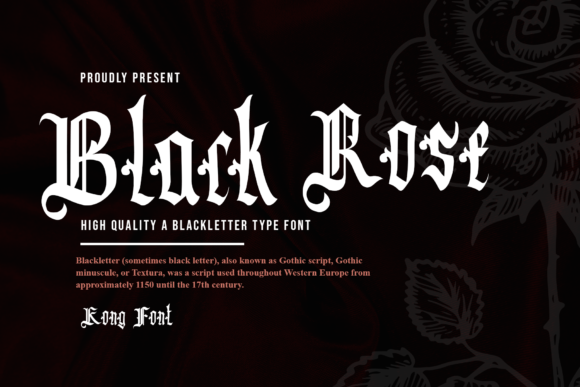
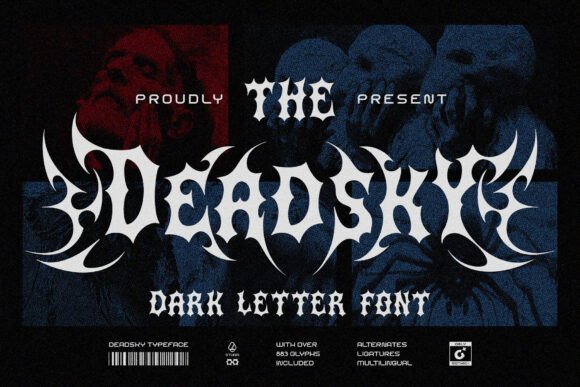
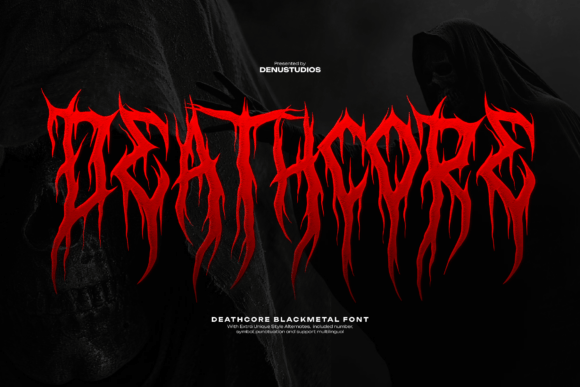
Typography in the heavy metal spectrum is rarely about legibility in the traditional sense; it is about atmosphere. A Deathcore font is characterized by its aggressive, often illegible, yet visually arresting structure. These typefaces mimic the jagged, thorny, and chaotic imagery associated with the genre’s album art. They feature high contrast between thick and thin strokes, sharp spurs, and often incorporate decorative elements that resemble barbed wire, thorns, or shattered glass.
Unlike standard serif or sans-serif fonts, the Deathcore style prioritizes texture and silhouette. The letters often interlock or overlap, creating a dense block of visual information that forces the viewer to engage with the shape of the text rather than just the words themselves. This makes it an ideal choice for projects where the title or logo needs to serve as a graphic centerpiece rather than merely an informational label.
Structural Characteristics
- High Contrast: The interplay between heavy, bold strokes and hairline extensions creates a sense of movement and instability.
- Asymmetry: Perfect symmetry is often abandoned in favor of organic, chaotic growth, mimicking natural decay or destruction.
- Extended Ligatures: Letters often feature long tails or swashes that extend into the space of other characters, unifying the word into a single emblem.
- Distressed Textures: Many digital versions of these fonts include built-in noise, scratches, or eroded edges to simulate a weathered, analog look.
Practical Applications Across Industries
While the origins of the Deathcore font lie in the underground music scene, its utility has expanded into mainstream commercial design. The "Black Metal" aesthetic is now a recognized design language used to signal rebellion, authenticity, and intensity. Below are key areas where this typography excels.
Apparel and Merchandise
The most natural habitat for the Deathcore style is on fabric. It dominates the streetwear and heavy music merchandise markets. When applied to t-shirts, hoodies, and shopping bags, the font creates an immediate visual hook. It works exceptionally well when printed in white or metallic foil on black backgrounds, utilizing high contrast to make the design pop. For designers creating band merch or edgy fashion lines, this font style provides an instant connection to the subculture.
Branding and Logo Design
For businesses targeting a niche market—such as tattoo parlors, extreme sports brands, horror film festivals, or specialty coffee roasters—a Deathcore logo can differentiate the brand from polished, corporate competitors. It communicates that the brand is raw, authentic, and uncompromising. However, designers must balance the complexity of the font with scalability; a highly detailed black metal font may lose clarity when reduced to a favicon or a small social media profile picture.
Digital Media and Gaming
The gaming community has a strong affinity for this aesthetic. Deathcore typography is frequently used in YouTube thumbnails, Twitch stream overlays, and indie game titles, particularly within the horror, survival, and RPG genres. The font acts as a signal to the viewer that the content will be intense, dark, or high-energy. It is also effective for creating watermarks on digital art, adding a stylistic signature that is difficult to remove without damaging the image.
Event Promotion and Editorial Design
Posters, flyers, and invitations for events like Halloween parties, haunted houses, or underground music festivals benefit greatly from this style. The Deathcore font creates urgency and excitement. In editorial design, such as magazine covers or book covers for dark fantasy and horror genres, the typography sets the mood before the reader even engages with the text content.
Strategic Implementation: Best Practices
Using a Deathcore font effectively requires a strategic approach to layout and composition. Because these fonts are visually dense, they can easily overwhelm a design if not handled correctly.
Contrast and Readability
The primary challenge with black metal typography is legibility. To mitigate this, designers should pair the Deathcore font with a clean, minimalist sans-serif font for body text. The black metal font should be reserved for headlines, logos, or single-word emphasis. This contrast ensures that the message remains accessible while retaining the desired edgy aesthetic. Avoid using this font for long paragraphs or small print, as the intricate details will merge into an unreadable blur.
Color Theory and Texture
Color plays a crucial role in how the Deathcore aesthetic is perceived. Monochromatic schemes (black, white, and shades of grey) are traditional and evoke the raw, photocopied aesthetic of the 1990s underground scene. However, modern interpretations often incorporate neon accents (red, cyan, or toxic green) against dark backgrounds to create a "cyber-grind" or futuristic horror vibe. Additionally, applying texture overlays—such as grain, noise, or concrete—to the typography can help integrate it into the background, making the design feel more cohesive and tactile.
Contextual Appropriateness
While the Deathcore font is powerful, it is not universally applicable. Using this style for a children’s educational brand or a healthcare provider would be jarring and inappropriate. It is essential to consider the target audience's sensibilities. This typography resonates strongly with demographics that appreciate counter-culture, extreme sports, and heavy music. For corporate environments, it should be limited to specific internal events or creative pitches where "breaking the mold" is the objective.
The Evolution of Extreme Typography
The journey of the Deathcore font style reflects the broader evolution of graphic design. What began as a way to make band logos look menacing on cassette tapes has evolved into a sophisticated design element used in high-end fashion and digital art. The style has splintered into various sub-styles, including "White Metal" (clean, sharp, and architectural) and "Cyber Metal" (incorporating digital glitches and circuit board patterns).
For creators and researchers, studying this typography offers insights into how visual language evolves alongside music and cultural movements. The persistence of the Deathcore aesthetic proves that there is a lasting demand for visual content that embraces darkness and intensity. It challenges the hegemony of "clean" and "safe" design, offering an alternative for those who wish to communicate on a visceral level.
Tools and Resources
For those looking to incorporate this style into their workflow, numerous resources are available. High-quality Deathcore fonts often come with extended character sets, including alternate glyphs and swashes that allow for customization. When selecting a font, look for vector-based formats (OTF or TTF) that allow for resizing without loss of quality. Many premium fonts also include bonus graphics, such as skulls, crosses, and ornamental borders, which can be used to enhance the composition further.
Conclusion of Analysis
The Deathcore font is more than just a typeface; it is a statement of identity. It represents a bridge between the auditory intensity of extreme music and the visual world of design. By understanding its structural complexities and applying it with strategic intent, designers can harness its power to create memorable logos, compelling merchandise, and immersive digital environments. Whether used for a band poster, a clothing label, or a gaming overlay, the black metal font remains a potent tool for capturing attention and conveying raw, unadulterated energy.