Evaluating Dead Sky: A Deep Dive into the Darkletter Typeface for Edgy Design
In the saturated market of digital typography, finding a typeface that genuinely captures a specific subculture without resorting to clichés can be a challenge. Dead Sky enters this landscape as a powerful darkletter typeface, offering a distinct aesthetic rooted in punk culture and tribal motifs. For designers working in music, fashion, branding, or art, the decision to use a font like Dead Sky is not merely about style; it is about communicating a specific attitude—rebellion, edge, and raw energy. This article provides a practical evaluation of Dead Sky, helping you determine if its aggressive style aligns with your project's goals.
Understanding the Core Aesthetic
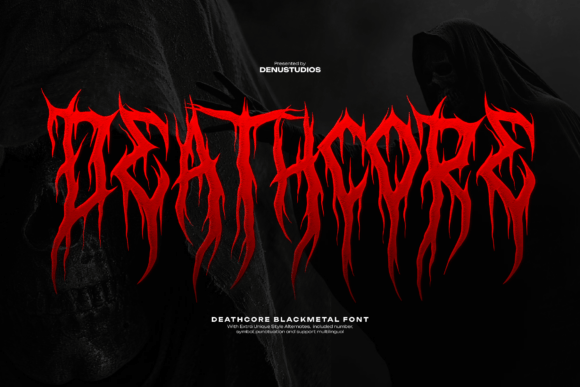
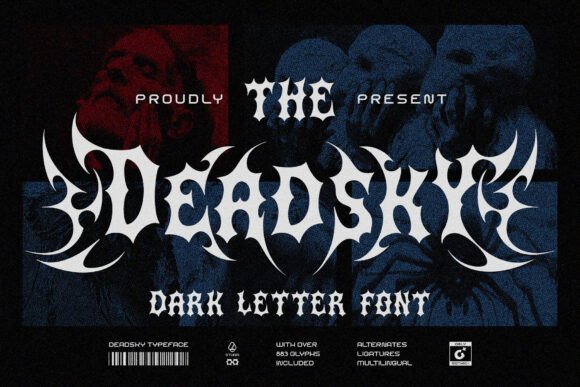
At its heart, Dead Sky is a modern interpretation of blackletter traditions, filtered through the lens of contemporary counter-culture. Unlike traditional Gothic or Old English fonts that carry historical or formal connotations, Dead Sky is intentionally designed to feel more immediate and confrontational. Its defining characteristics include sharp, thorn-like serifs and dynamic swashes that give letterforms a sense of movement and danger. This is not a typeface for quiet statements; it is engineered to command attention.
The design philosophy behind Dead Sky draws from two primary sources: the DIY, anti-establishment graphics of 1970s and 80s punk zines, and the intricate, symbolic patterns found in tribal art. This fusion results in a font that feels both raw and meticulously crafted. The thorn-like elements evoke a sense of organic harshness, while the swashes add a layer of artistic flourish that prevents the design from feeling monolithic or overly simplistic.
Comparing Dead Sky to Other Typographic Styles
When evaluating a typeface, it's useful to compare it to adjacent categories to understand its unique position. Dead Sky occupies a specific niche between several typographic traditions.
Dead Sky vs. Traditional Blackletter
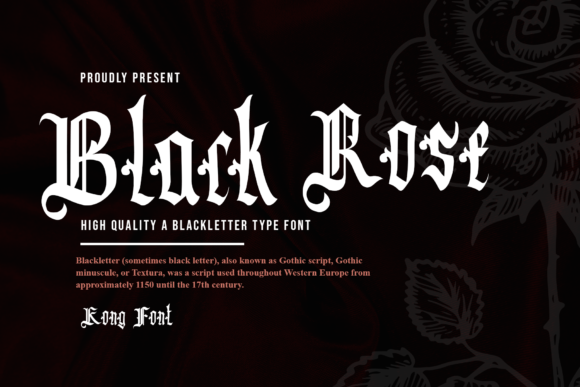
Traditional blackletter fonts, such as Textura or Fraktur, are historically associated with manuscripts, newspapers, and formal Germanic script. They carry a weight of tradition and can feel archaic or ceremonial. Dead Sky takes the structural skeleton of blackletter but strips away the formality. Where a classic Fraktur might be used for a newspaper masthead or a wedding invitation, Dead Sky is aimed squarely at album covers, band merchandise, and streetwear branding. Its thorns and swashes are modern interventions that make it feel less historical and more futuristic-punk.
Dead Sky vs. Standard Gothic or Sans-Serif "Edgy" Fonts
Many fonts attempt an "edgy" look by simply being bold, condensed, or distressed. While these can be effective, they often lack the specific cultural resonance of a darkletter style. A bold, condensed sans-serif might convey strength or urgency, but it doesn't inherently communicate the same tribal, underground, or rebellious spirit as Dead Sky. The latter's ornamentation is not just decoration; it's a core part of its identity, making it a more targeted tool for specific projects.
Dead Sky vs. Script or Display Fonts
Script fonts with a heavy, flowing style can sometimes achieve a similar level of dynamism. However, their fluidity often reads as elegant, romantic, or casual. Dead Sky's dynamism comes from sharp angles and aggressive strokes, not smooth curves. This makes it a better fit for projects that need to convey power, intensity, and a certain ruggedness rather than sophistication or whimsy.
Strengths and Ideal Use Cases
The primary strength of Dead Sky is its immediate and unmistakable character. It does not require context to establish its tone; the font itself does the talking. This makes it particularly effective in crowded visual environments where instant recognition is key.
- Music Industry Branding: This is Dead Sky's natural habitat. It is exceptionally suited for band logos, album art, concert posters, and merchandise for genres like metal, punk, hardcore, and dark electronic music. The font's aesthetic directly mirrors the visual language of these scenes.
- Fashion and Streetwear: For clothing brands that identify with street culture, skateboarding, or a rebellious ethos, Dead Sky can create powerful logos, taglines, and graphic elements. It works well on both digital platforms and printed apparel.
- Event Promotion: Nightclubs, music festivals, and events targeting an alternative audience can use Dead Sky to create posters, social media graphics, and tickets that resonate with their demographic.
- Art and Editorial Projects: In contexts like zine design, graphic novel titles, or art exhibition posters, Dead Sky can add a layer of gritty authenticity and visual interest.
Practical Limitations and Considerations
No typeface is universal, and Dead Sky's greatest strength—its strong personality—is also its main limitation. Using it requires careful consideration of context and audience.
- Legibility at Small Sizes: The intricate details and sharp points that define Dead Sky can become muddy or lost when the font is used at very small sizes, such as in long body text or fine print. It is primarily a display or headline font.
- Overpowering Simplicity: If your overall design is minimalist, using Dead Sky for a headline can create a jarring contrast. It needs a supporting visual environment that complements its intensity. Pairing it with a very clean, neutral sans-serif for body text is often a wise strategy.
- Specificity of Audience: While powerful for certain demographics, the punk/tribal aesthetic may not translate well to corporate, luxury, or mainstream family-oriented brands. Understanding your target audience's cultural touchstones is crucial.
- Overuse and Cliché Risk: Like any distinctive style, overuse within a genre can lead to visual fatigue. The key is to use Dead Sky as a strategic element, not as a default for anything "edgy."
Making the Decision: Is Dead Sky Right for Your Project?
Choosing Dead Sky should be a deliberate decision based on a clear alignment between the font's character and your project's message. Ask yourself these questions:
- What is the core emotion or idea I need to convey? If the answer is rebellion, raw energy, tribal unity, or punk-inspired defiance, Dead Sky is a strong candidate. If the goal is elegance, trustworthiness, or playful friendliness, look elsewhere.
- Who is my audience? Will they recognize and appreciate the cultural references embedded in the typeface? For audiences immersed in music subcultures or street fashion, it will feel authentic. For others, it might feel alienating or confusing.
- How will the font be used? Is it for a short, impactful headline or logo, or for extended reading? Dead Sky excels in the former but struggles in the latter.
- What is the supporting design? Do you have a layout, color palette, and imagery that can either contrast sharply with or harmoniously support the font's aggressive style?
Exploring Alternatives Within the Niche
If you appreciate the darkletter style but find Dead Sky too specific, the typographic landscape offers other options. You might explore other modern blackletter fonts that soften the tribal elements or focus more on a pure Gothic revival. Some alternatives might lean more heavily into a grunge or distressed aesthetic, sacrificing some of Dead Sky's sharp precision for a more weathered look. The key is to identify which specific aspect of the "edgy" spectrum you need to hit. Dead Sky's unique blend of punk and tribal is its signature, but if you need a different flavor of darkness, other typefaces may serve you better.
Ultimately, Dead Sky is a specialized tool. It is not a workhorse font for every situation, but in the right context, it is exceptionally effective. Its value lies in its ability to instantly communicate a specific, potent aesthetic. For designers working within the realms of music, alternative fashion, and gritty art, it offers a ready-made visual language that can save time and deliver powerful results. By carefully evaluating your project's needs against its strengths and limitations, you can make an informed choice about whether to let Dead Sky's rebellious spirit into your work.