Evaluating the Fillate Handwritten Script Font for Your Design Projects
Understanding the Fillate Typeface
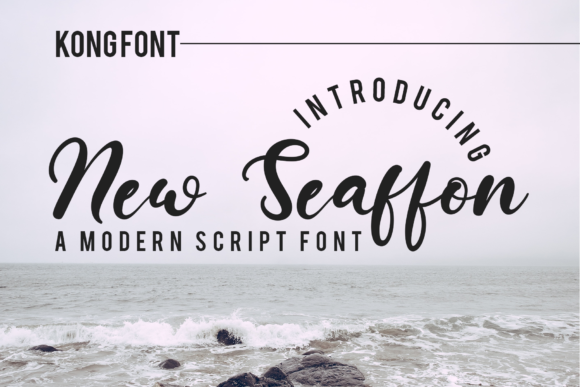
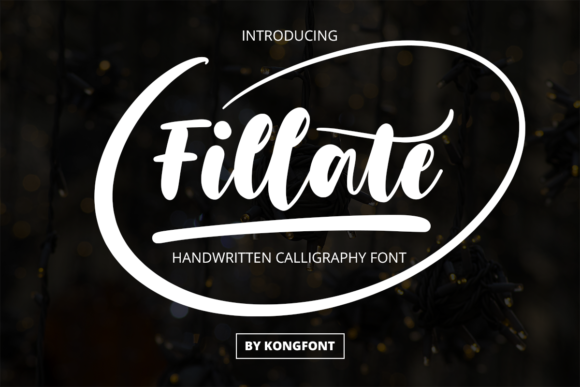
Fillate is a modern and playful handwritten script font developed by Kong Font Studio. It falls into the category of display typefaces, meaning it is designed primarily for headers, logos, and short bursts of text rather than body copy. The defining characteristic of the font is its fluid, casual aesthetic, which mimics the look of natural handwriting. It strikes a balance between legibility and stylistic flair, making it a versatile option for various creative applications.
From a technical standpoint, Fillate is PUA (Private Use Areas) encoded. This is a significant feature for designers because it allows users to access all glyphs, swashes, and stylistic alternates easily, even in software that does not support OpenType features natively. This encoding ensures that the decorative elements of the font are accessible to a wider range of users, from professional graphic designers using Adobe Illustrator to casual crafters using basic word processing software or cutting machine programs.
Evaluating the Benefits for Crafters and Designers
When selecting a font for a project, the primary consideration is often whether the typeface conveys the intended emotion. Fillate is designed to evoke warmth, friendliness, and approachability. For crafters, particularly those involved in physical product creation such as scrapbooking, card making, or vinyl decals, the handwritten style offers a personalized touch that rigid serif or sans-serif fonts often lack.
The benefit of the PUA encoding cannot be overstated when evaluating this font. In many standard fonts, accessing extra swirls or tail variations requires advanced knowledge of glyph panels in professional software. Because Fillate is PUA encoded, it democratizes the design process. A user can simply copy and paste special characters from a character map directly into their design canvas. This functionality is particularly beneficial for users who create custom wedding invitations or monograms, where unique letter connections and flourishes are highly desirable.
Visual Aesthetics and Usability
The visual weight of Fillate is moderate, meaning it holds its own on a page without overwhelming the layout. It is designed to flow smoothly, with connecting letters that mimic cursive writing. However, when evaluating a handwritten font, one must consider the baseline consistency. While Fillate is polished, it retains a human element; letters may not sit on a perfectly flat line, which is part of its charm but requires consideration depending on the project's formality.
For designers evaluating this font for branding, it is well-suited for logos in the lifestyle, beauty, or food industries. The playful nature of the script suggests creativity and approachability. It is less suited for corporate environments where trust and stability are communicated through geometric sans-serifs or traditional serifs.
Tradeoffs and Technical Considerations
While Fillate offers significant aesthetic advantages, objective evaluation requires looking at potential tradeoffs. The most common issue with elaborate script fonts is legibility at small sizes. Because Fillate features swashes and stylistic connections, it may become difficult to read if used for long paragraphs or small sub-headers.
Another consideration is the "crafting" context. While the font is excellent for cutting machines (like Cricut or Silhouette), highly intricate swashes can sometimes be difficult for blade cutters to handle, potentially leading to torn vinyl or paper. Users should expect to use the standard character set for very small applications and reserve the ornate swashes for larger display text.
Furthermore, while the font is versatile, it is distinctly "modern playful." If a project requires a vintage script, a formal calligraphy style, or a gritty grunge aesthetic, Fillate may not be the appropriate choice. It occupies a specific niche: the clean, friendly, contemporary handwritten look.
Decision-Making: When to Choose Fillate
Determining if Fillate aligns with your goals depends on the specific constraints of your project. Below are practical scenarios to help with your decision.
Scenarios Where Fillate is a Strong Fit
- Wedding Stationery: If you are designing save-the-dates or invitations that require a romantic but readable script, Fillate provides the necessary elegance without being too stuffy or old-fashioned.
- Social Media Graphics: For Instagram quotes or headers, the font is highly legible on screens and adds a personal, human touch to digital content.
- Physical Goods: For mug designs, tote bags, or t-shirts, the font scales well to larger sizes where the swashes can be fully appreciated.
- Software Limitations: If you are using software like Microsoft Word, Silhouette Studio, or basic design apps that lack advanced OpenType support, the PUA encoding makes Fillate a superior choice over non-encoded fonts.
Scenarios Where Alternatives May Be Necessary
- Dense Text Blocks: If you need to write a full paragraph, a handwriting font will fatigue the reader's eye. In this case, pairing Fillate with a clean sans-serif for the body text is essential, or choosing a different font entirely.
- Strict Corporate Branding: If the brand identity guidelines require high seriousness or neutrality, the personality of Fillate might clash with the brand voice.
- Very Small Printing: If the final output is smaller than 12pt, the details of the letters may merge, making it unreadable. A simpler handwritten font would be safer.
Practical Insights for Selection
When evaluating Fillate for your workflow, consider the "pairing" potential. A strong design often combines a decorative font with a neutral one. Fillate pairs well with geometric sans-serifs (like Montserrat or Raleway) or light serif fonts. This contrast allows the header to pop while maintaining overall readability.
Additionally, consider the licensing and source. Since Fillate is created by Kong Font Studio and distributed through platforms like Creative Fabrica, it is often accessible through subscription models or direct purchase. This accessibility makes it a practical choice for small business owners who need commercial licensing for their products without navigating complex legal agreements.
Conclusion
Fillate is a robust option for those seeking a modern, playful handwritten script. Its technical advantages, specifically the PUA encoding, make it accessible to a broad range of users, from professional designers to hobbyist crafters. While it excels in decorative applications, it requires careful usage regarding size and context to maintain legibility. By weighing these factors against your specific project needs, you can determine if Fillate is the right tool to bring your creative vision to life.