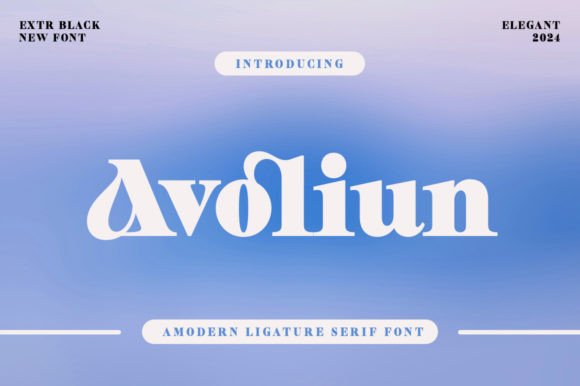
Constantia: The Strategic Serif for Clear Communication and Lasting Impact
In the landscape of digital typography, the choice of font is rarely just about aesthetics; it is a fundamental component of strategy. For entrepreneurs, educators, and creators, typography dictates how a message is received, processed, and retained. Constantia, a bold and unique serif font designed by Peter Wiegel, offers a distinct solution for those seeking to balance professionalism with approachability. It is not merely a collection of letters but a tool that, when used intentionally, can significantly influence the effectiveness of your communication.
Understanding the Anatomy of Constantia
To make better decisions regarding typography, one must first understand the specific traits of the tool. Constantia is characterized by its well-balanced characters and a unique blend of modern and traditional serif elements. Unlike stiff, corporate fonts that can feel cold, or overly decorative fonts that hinder readability, Constantia occupies a strategic middle ground. Its letterforms are designed to be highly legible at various sizes, making it versatile for both headlines and body text. The font features a distinct structure that prevents the "washed-out" look common in some digital serifs, ensuring that text remains crisp on high-resolution screens.
The strategic value of Constantia lies in this versatility. For a small business owner or a freelancer, using a single, versatile font family can simplify design operations and strengthen brand consistency. You do not need an extensive library of typefaces to create a polished look; you need a primary font that can handle multiple roles effectively. Constantia fulfills this requirement by offering a personality that is confident yet welcoming.
Strategic Application in Branding and Positioning
When planning a brand identity, the typography must align with the core message. Constantia is particularly useful for brands that aim to position themselves as knowledgeable yet accessible. For instance, an educational platform or a consultancy firm needs to project authority without alienating the audience with overly complex academic styling. Constantia provides the necessary gravitas for professional documents while retaining a warmth that fosters connection.
Consider the long-term results of your branding efforts. A font that is too trendy may look dated within a few years, forcing a costly rebrand. Constantia possesses a timeless quality. It does not rely on fleeting design fads, which means it supports long-term stability in your visual identity. By incorporating Constantia into your logo, website headers, and marketing collateral, you create a cohesive visual language that supports your strategic positioning as a reliable and thoughtful entity.
Enhancing Customer Experience Through Readability
Customer experience is heavily influenced by the ease of information consumption. If your audience struggles to read your content due to poor font choices, engagement drops, and bounce rates rise. Constantia is engineered for readability. Its distinct characters help prevent confusion between similar letters, which is crucial for instructional content, user manuals, and detailed blog posts.
For marketers and bloggers, the goal is often to keep the reader engaged for longer periods. Using Constantia for body text can reduce eye strain, making it easier for visitors to consume long-form content. This practical benefit directly supports goals related to user retention and content marketing effectiveness. When the reading experience is smooth, the audience is more likely to trust the information presented and take the desired action.
Practical Use Cases and Decision-Making
Deciding when to use Constantia depends on the specific context of your project. It is an excellent choice for:
- Academic and Educational Materials: Its clarity makes it ideal for e-books, whitepapers, and course materials where information density is high.
- Corporate Communications: Annual reports, internal memos, and presentations benefit from its professional yet readable nature.
- Web Design: It serves as a strong anchor for websites that want to balance text-heavy content with visual appeal.
- Editorial Design: Magazines and blogs focused on lifestyle, culture, or business can use Constantia to establish a sophisticated tone.
However, context is everything. Before relying on Constantia, consider the specific platform and medium. While it performs exceptionally well on screens, as with any serif font, you should test its rendering across different devices and browsers. A thoughtful approach involves creating mockups and viewing them on mobile devices to ensure the font remains legible at smaller sizes.
Avoiding Common Pitfalls
One of the risks of adopting any new font without clear goals is inconsistency. If you introduce Constantia into an existing design system, ensure it complements your secondary fonts. Mixing too many distinct styles can create visual noise, confusing your audience rather than guiding them. Constantia pairs well with clean, geometric sans-serifs, which can be used for secondary text or call-to-action buttons to create a visual hierarchy.
Creativity and Productivity in Workflow
For designers and creators, Constantia can spark creativity by offering a fresh alternative to overused defaults. When you are stuck in a creative rut, changing the typography of a project can shift your perspective and help you see the layout in a new light. Because Constantia is well-balanced, it provides a stable foundation upon which to experiment with layout and spacing without compromising the structural integrity of the design.
From a productivity standpoint, standardizing on a font like Constantia for specific project types can streamline your workflow. Instead of spending hours deliberating over typeface choices for every new document, having a pre-approved standard for "formal communication" or "long-form reading" allows you to focus on the content itself. This operational efficiency is vital for freelancers and small teams who need to maximize their output.
Long-Term Value and Intentional Implementation
The ultimate measure of a design choice is its contribution to long-term value. Constantia is not just a stylistic choice; it is a functional asset. By improving readability and reinforcing brand personality, it helps build trust with your audience over time. Trust is the currency of business, and every touchpoint—including the typography on your invoices, website, and presentations—contributes to that perception.
Implement Constantia intentionally. Define clear guidelines for its usage: specify which weights to use for headers versus body text, and establish rules for spacing and alignment. Treat the font as a strategic element of your communication plan, not just a decorative afterthought. When you add Constantia