Admiral Cat: Why This Vintage Handwritten Font is Making a Comeback in Modern Design
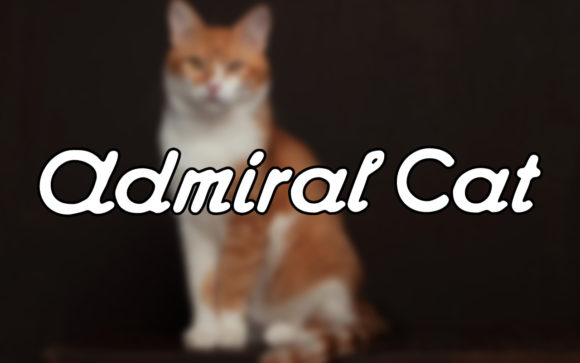
In the ever-evolving landscape of digital design, where clean sans-serifs and bold geometric typefaces often dominate, there's a growing appreciation for the warmth and character that only a handwritten font can provide. Admiral Cat, a vintage, beautiful, and flowing typeface designed by Peter Wiegel, is capturing the attention of creators and professionals seeking to inject personality and authenticity into their work. It's not just another script font; it's a tool that bridges the gap between nostalgic charm and contemporary application.
The Allure of Handwritten Aesthetics in a Digital World
Our visual environment is saturated with polished, perfect graphics. While these are effective, they can sometimes feel impersonal. This is where fonts like Admiral Cat find their relevance. There's an inherent human touch in a well-crafted handwritten typeface. It evokes a sense of craftsmanship, individuality, and approachability that resonates deeply with audiences tired of sterile corporate visuals. The flowing, clean characters of Admiral Cat offer that handmade quality without sacrificing legibility, making it a practical choice for more than just decorative purposes.
This shift isn't merely aesthetic; it's tied to changing consumer expectations. People connect with brands and content that feel genuine. A handwritten font can signal care, creativity, and a break from the algorithmic uniformity of the digital sphere. For entrepreneurs and small business owners, using a font like Admiral Cat on packaging, business cards, or social media graphics can instantly communicate a boutique, artisanal sensibility. It helps build a visual identity that stands apart from the crowd.
Practical Applications for Admiral Cat in Your Workflow
Understanding a font's character is one thing; knowing how to deploy it effectively is another. Admiral Cat's well-balanced design makes it surprisingly versatile. Here are some grounded ways it can enhance various projects:
- Branding and Identity: Use it for a logo, tagline, or brand name to convey creativity and warmth. It's particularly effective for businesses in lifestyle, food, education, or creative services. Pair it with a simple, clean sans-serif for body text to ensure readability and create a harmonious hierarchy.
- Digital Content and Social Media: In a crowded feed, a visually distinct font stops the scroll. Admiral Cat can be used for compelling quotes, blog post titles, or Instagram story headers. Its vintage flair can add a layer of storytelling to your digital presence, making content feel more curated and intentional.
- Print Materials and Stationery: From wedding invitations and greeting cards to restaurant menus and book covers, Admiral Cat excels in print. Its flowing nature adds elegance and a personal touch that digital screens sometimes struggle to replicate. It's a go-to for any project where a tactile, personal feel is desired.
- Packaging Design: For products on a shelf, packaging is the first point of contact. A handwritten font can make a product feel homemade, special, and trustworthy. Admiral Cat's clarity ensures that important information like product names or key ingredients remains easy to read, even at smaller sizes.
Beyond Aesthetics: The Functional Strength of a Balanced Font
While its visual appeal is obvious, Admiral Cat's true strength lies in its functional design. Peter Wiegel crafted it with clean, well-balanced characters. This is a critical, often overlooked, aspect of handwritten fonts. Many script typefaces are beautiful in isolation but become a jumbled, illegible mess when used in a sentence or at a smaller scale. Admiral Cat avoids this common pitfall.
The balanced letterforms ensure consistent spacing and flow, making it suitable for short paragraphs, headlines, and call-to-action text. This reliability means designers and non-designers alike can use it with confidence. You don't need to spend hours adjusting kerning and tracking to make it look right; it's designed to work harmoniously right out of the box. This practicality is essential for modern workflows where efficiency and quality must coexist.
Integrating Admiral Cat with Modern Design Trends
Design trends often reflect broader cultural moods. Currently, there's a strong undercurrent of nostalgia—a longing for the tangible and the authentic in our increasingly virtual lives. Admiral Cat taps into this perfectly. Its vintage character doesn't feel dated; instead, it feels intentionally retro, aligning with the popular "craft" and "maker" movements seen across industries.
Furthermore, the trend toward personalized user experiences creates space for unique typography. Whether it's in a website's hero section, an email newsletter header, or a mobile app's onboarding screens, a distinctive font can make an interface feel more human and engaging. Admiral Cat offers a way to personalize without compromising on the clean, user-friendly interfaces that users expect.
A Tool for Creators: From Hobbyists to Professionals
The versatility of Admiral Cat makes it accessible and valuable across a spectrum of users. For the hobbyist scrapbooker or blogger, it's a way to add a professional polish to personal projects. For the freelance graphic designer, it's a valuable addition to a typographic toolkit, offering a reliable option for client briefs that call for warmth and character. Marketers can leverage it to create campaigns that feel more personal and less generic, potentially improving engagement.
Educators might find it useful for creating engaging classroom materials or presentations that capture students' attention. Even in corporate settings, it can be used sparingly for internal communications or specific projects to break monotony and foster a sense of creativity. The key is thoughtful application—using it where its strengths can shine without overwhelming the message.
Recommendations for Effective Use
To get the most out of Admiral Cat, consider these practical tips:
- Context is King: Use it for display purposes—headings, logos, quotes—where its personality can be appreciated at a glance. Avoid using it for long blocks of body text, where readability is paramount.
- Pair with Simplicity: Let Admiral Cat be the star. Pair it with a neutral, highly legible font for supporting text. A classic sans-serif like Lato, Open Sans, or a simple serif like Lora can create a beautiful and readable contrast.
- Mind the Size: Test it at the intended size. While it's well-balanced, ensuring it remains crisp and clear on both screen and print is always good practice.
- Embrace Its Nature: Don't try to force it into a context that requires stark, minimalist austerity. Its strength is in adding warmth and flair. Use it to complement a creative or personal message, not to contradict a formal, technical one.
In conclusion, Admiral Cat by Peter Wiegel is more than just a vintage font. It's a response to a growing desire for authenticity and human connection in design. Its clean, flowing characters provide a practical and beautiful solution for adding personality to a wide array of projects. By understanding its strengths and applying it thoughtfully, creators, professionals, and hobbyists alike can make their ideas come alive with a distinct, timeless charm. In a world of digital noise, sometimes the most effective way to stand out is with a touch of carefully crafted, handwritten elegance.